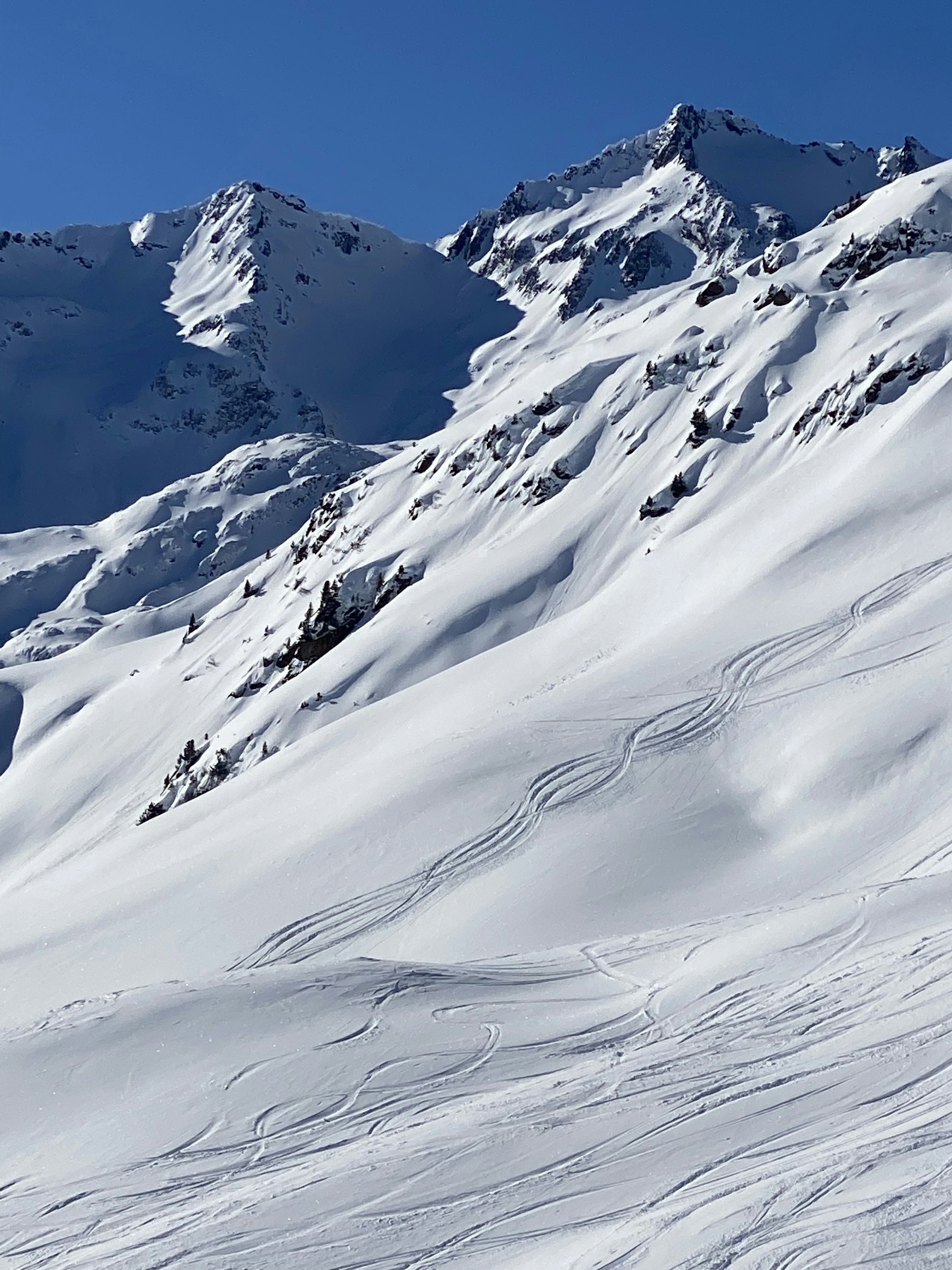
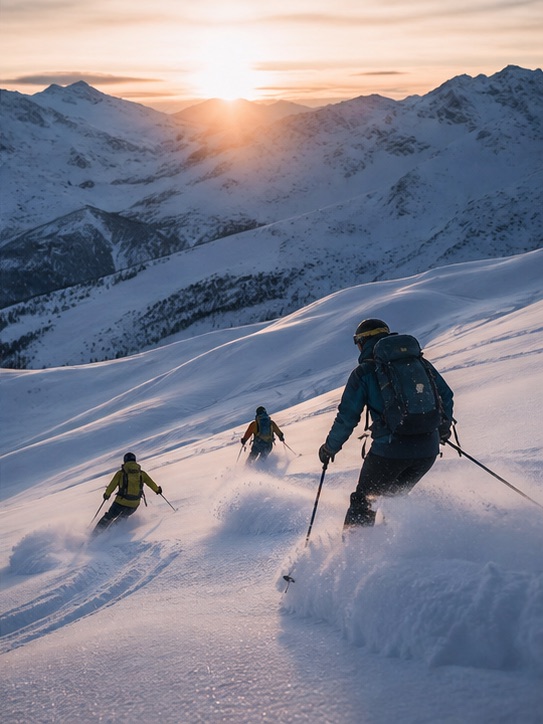
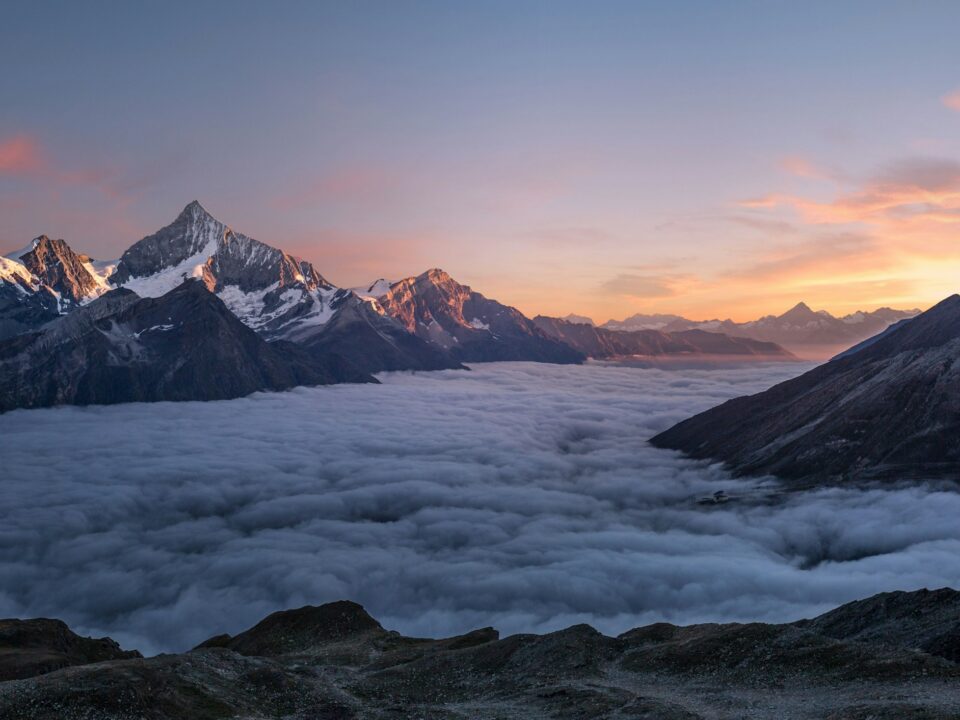
Japan has earned its reputation for consistent snowfall. The Alps offer something different: deep, cold storm cycles, enormous vertical relief and a range of lift-served terrain that can feel like a vast backcountry landscape.
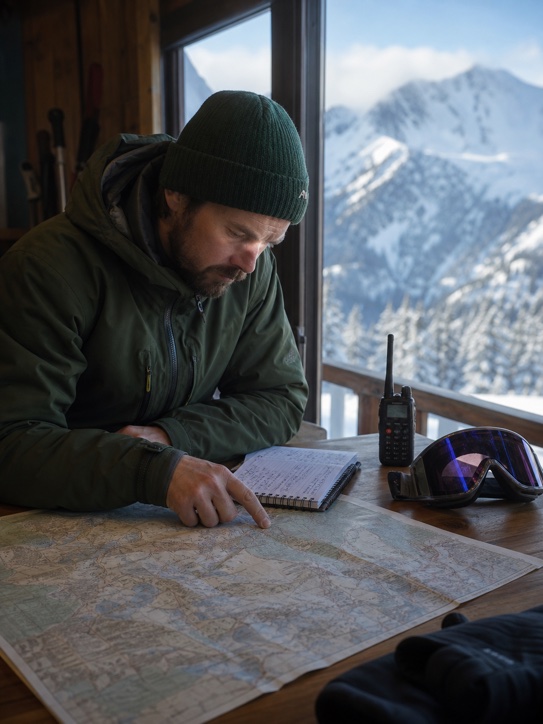
But the best forecast is of little value if everyone arrives at the same lift. Powder Hunter combines weather interpretation with local knowledge of several hundred resorts across France, Italy, Switzerland and Austria. We consider snow, wind, cloud, visibility, terrain and likely skier traffic—not just the headline snowfall total.
That can mean leaving the famous name behind and choosing a smaller area where fresh tracks may remain for days after a storm. The destination is a decision, not the starting constraint.
Why the Alps
Storm depth, terrain scale and a different ski culture.
The Alps offer a different equation from Japan or North America: cold storm cycles, extraordinary terrain and resorts where many visitors remain on groomed pistes.
01 · Weather
Cold northern storms
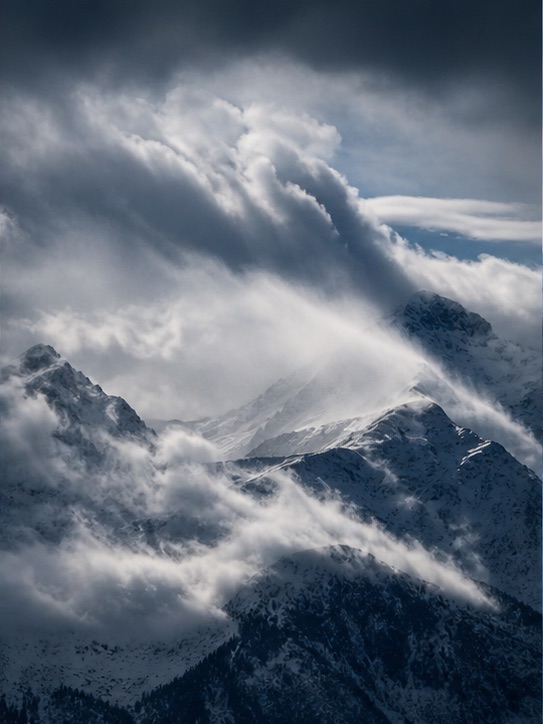
When Arctic air crosses the North Sea and reaches the Alpine barrier, the right areas can receive deep, low-density snow.
02 · Terrain
Massive lift access
Glaciers, trees, bowls, couloirs and long vertical descents create options that change with the storm and the group.
03 · Culture
More room off-piste
At many resorts, a large share of visitors prefer groomed slopes and clear weather, leaving more possibilities for those with the right local knowledge.
“
If you’ve ever considered a ski trip to the Alps, I couldn’t recommend it enough. In my opinion, it belongs in the same conversation as Japan, with advantages of its own. Japan has the edge in consistent snowfall, but the Alps can receive exceptionally deep snow from cold storms. The clearest Alpine advantage is the terrain: at times, it feels like a vast, lift-served backcountry paradise, with almost every type of terrain imaginable.
Luke Stone · American powder hunter and meteorologist
Trip style
The weather writes the itinerary.
A fixed schedule works against the purpose of this journey. We narrow the region as the storm develops and make the final resort decision with the newest information available.
Before the trip
Build options
We assess the group, identify practical bases and keep several Alpine regions in play.
About 72 hours
Read the storm
Forecast confidence improves. Snowfall, wind direction and the freezing level begin to shape the plan.
About 48 hours
Choose the region
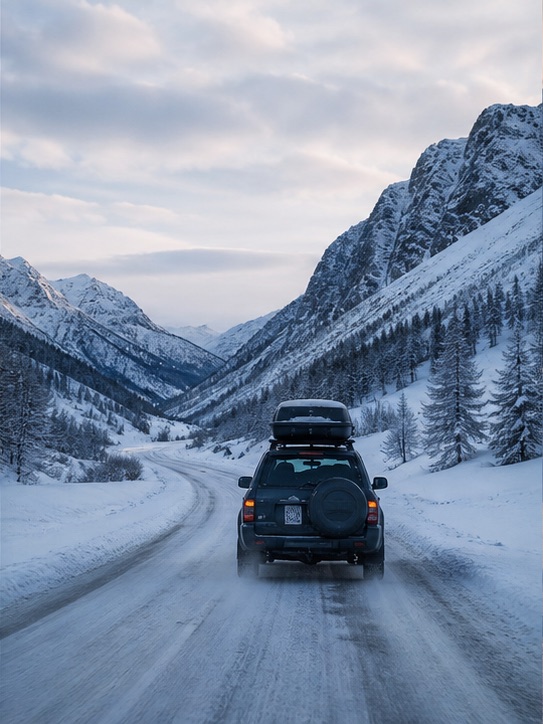
We may decide which valley or country to drive toward only two days in advance.
On the morning
Choose the mountain
Visibility, lift openings, new snow and likely crowds determine the final ski area.
Who it suits
A trip for adaptable skiers.
Powder Hunter is less about ticking off a resort name and more about giving the group the best possible ski day. Honest self-assessment matters.
A good fit
Confident skiers seeking off-piste terrain.
Groups comfortable changing regions or accommodation.
People who value conditions over famous names.
Skiers prepared to carry appropriate safety equipment and ski with qualified local guidance.
Probably not the right fit
Travellers who need a fixed daily programme.
Groups committed to one resort regardless of conditions.
Beginners still developing control on groomed pistes.
You should be a confident skier with experience beyond groomed pistes. The final terrain must always match the group’s ability, current conditions and the guide’s judgement.
Do you guarantee fresh powder?
No mountain operator can guarantee snowfall or untouched snow. The purpose of Powder Hunter is to improve our decisions by keeping locations flexible and combining forecasts with local knowledge.
When will we know where we are skiing?
The region may be selected roughly two days before the move, while the specific ski area can remain open until the morning itself if conditions are uncertain.
Will accommodation change during the trip?
It may. Mobility is part of the journey format, although every move is weighed against travel time, group energy and the quality of the expected ski day.
What safety equipment is required?
Requirements depend on the planned terrain and the guide’s assessment. An avalanche transceiver, shovel, probe and suitable insurance are commonly required for off-piste skiing; final requirements are confirmed before travel.
What happens when visibility is poor?
We may choose sheltered tree terrain, a lower-altitude sector, a different resort or a more conservative plan. Visibility is part of the decision—not an inconvenience to ignore.
Start planning
Ready to let the weather lead?
Tell us your ski level, dates and how flexible you are prepared to be. We’ll help you decide whether Powder Hunter is the right winter journey.
See the available winter dates.
Group sizes and departures are limited so the journey can remain responsive.